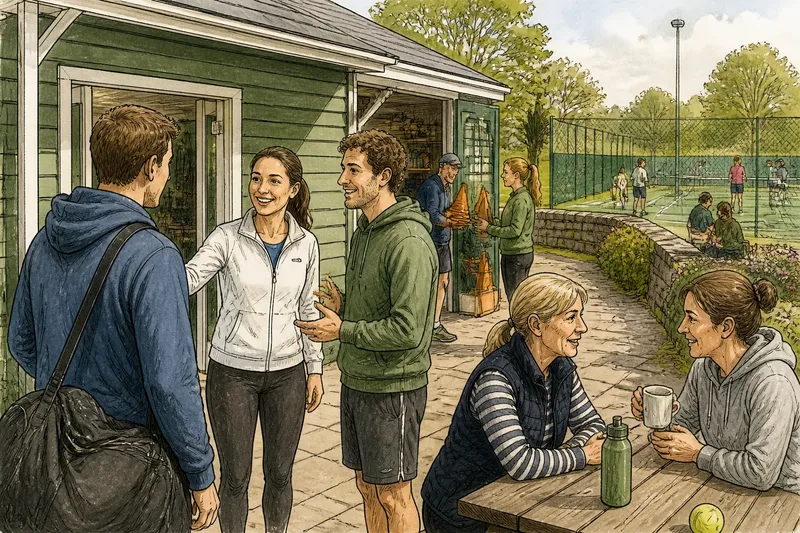
The Open Day Myth: Why an Open Door Is Not an Invitation
A clear sports club open day invitation helps visitors understand the programme, take part at their own pace and see what the club is like in practice.
The most common mistake in a sports club open day invitation is treating the phrase “doors open” as enough. A visitor may arrive to find a match underway, a busy clubhouse and no obvious way to see how the club actually works; the cost is an event that displays activity without revealing the shared life behind it.
An open day can do more than introduce a sport. It can show how a club shares its grounds, cares for equipment, organises volunteers and makes decisions. Those details matter to people who are curious about belonging but are not yet ready to join a team. The event should let them observe the club in action, not just hear a pitch for membership.
A sports club open day invitation should reveal how the club lives
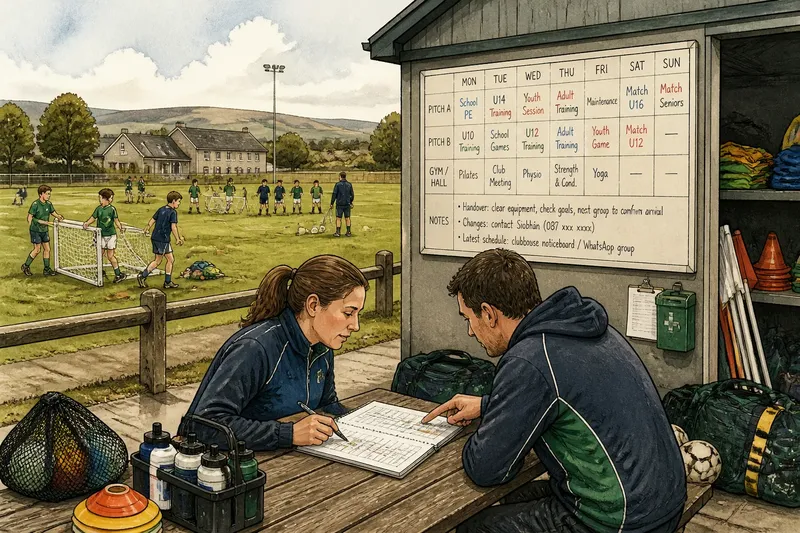
Instead of building the day around a series of recruitment conversations, choose a few ordinary club activities that visitors can see or try. A grounds volunteer might explain how the playing surface is prepared; a team manager could show how match-day roles fit together; members could demonstrate how equipment is stored and cared for.
Be honest about what visitors can observe and what they can join. A public demonstration can be useful for someone who prefers to watch first, while a short, optional activity gives a visitor a feel for the sport. Neither should be presented as a test of commitment or ability.
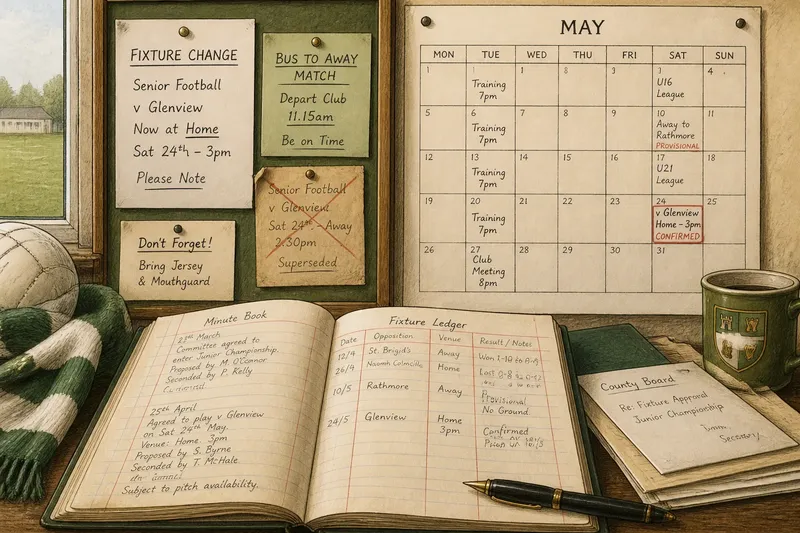
Make the club’s less visible work part of the programme. A noticeboard, kit room or small display of old team photographs can prompt conversations about local history and the people who keep the organisation going. Ask permission before displaying personal photographs or naming members.
Show one part of club life that usually happens out of sight.
Build the programme around things visitors can understand
Sporting language can make a friendly event feel like an insiders’ gathering. Give each activity a plain description and explain why it matters. “How the sideline is set up before a match” tells a visitor more than a specialist term they may not know.
A balanced programme might include a brief demonstration, a chance to handle or try suitable equipment, a look at a shared space, and an informal conversation about volunteering or club traditions. Keep each element distinct, so visitors can follow one thread without feeling obliged to do everything.
- If the programme is mostly playing demonstrations: add a view of a non-playing role, such as equipment care or match-day preparation; if the club cannot show that work, invite a volunteer to describe it in plain language.
- If visitors are expected to move between several areas: put the sequence and locations on a simple printed map; if the grounds are too compact for a map, mark each activity clearly with signs.
- If a display includes club history: check names, dates and permissions before putting it up; if an item’s provenance is uncertain, describe it without making a claim about its origin.
- If the schedule leaves little room to talk: remove or shorten an activity and make space for conversation; if the timetable cannot change, set aside a clear interval for informal questions.
- If a visitor wants to see a particular part of club life: identify a member who can explain it; if that person is unavailable, offer a written note or a suitable later contact.
- If weather affects an outdoor demonstration: name an indoor alternative in the invitation; if no suitable space is available, explain how the club will update visitors before they travel.
Keep the programme short enough for people to absorb what they see.
Let visitors see traditions without turning them into a test
Club customs can be welcoming when someone explains their meaning, but bewildering when visitors are expected to know them already. A member might describe why the club gathers after a fixture, how a local rivalry developed, or what an annual fundraiser supports. Present these as parts of a living community, not rules a newcomer must learn before taking part.
Choose stories with care. Traditions can include people who have left, families who helped build the club, and changes in how teams or facilities are organised. A short account from a long-serving member can make that history tangible, while leaving room for visitors to ask how the club is changing now.
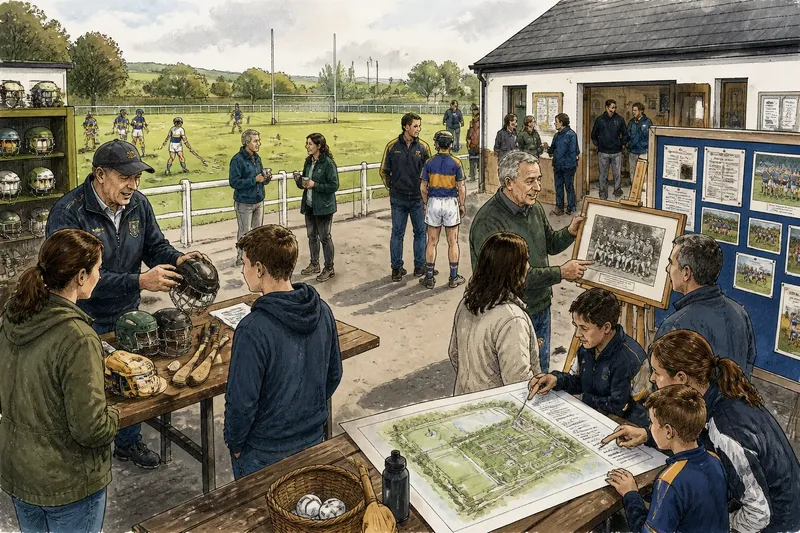
Imagine a fictional hurling club planning an open afternoon at its grounds. The organisers start with a proposed programme of a skills demonstration and a membership talk. They add a volunteer showing how helmets and sliotars are checked and stored, ask a former player to explain a local tournament photograph, and set out a noticeboard showing current volunteer roles. Visitors can then watch, try a simple passing activity or ask about the work behind a match; the expected result is a clearer view of the club beyond the playing area, without implying that every visitor must sign up.
How should the invitation describe club life?
Should an open day include club history?
It can, if the display is accurate and gives visitors a way into the story rather than presenting a wall of unexplained names. Pair photographs or objects with short captions that explain their connection to the club.
How can volunteers be part of the programme?
Invite volunteers to demonstrate a task or explain what it involves, with their agreement. Keep the account specific, and make clear that watching or asking a question does not commit a visitor to helping.
Should visitors be encouraged to try the sport?
Offer a suitable activity as one option among several, and explain what it involves before inviting people to join. If the activity needs particular equipment or supervision, arrange that in advance and state the conditions clearly.
What if visitors want to know how decisions are made?
Identify a club officer or committee member who can explain the usual route for questions and proposals. If a decision cannot be discussed at the event, say where and how a visitor can raise it later.
Use the invitation to set expectations for taking part
Tell readers which parts of the day are demonstrations, which are optional activities and which spaces are open to visitors. Mention practical arrangements that affect the experience, such as whether the clubhouse is open or whether an outdoor activity may change in poor weather. Use details confirmed by the club rather than assuming every venue has the same facilities.
Say what visitors can take away from the day besides a membership form: perhaps a better understanding of how a match is organised, where club history is kept, or what volunteering entails. If there is a follow-up route for people who want to contribute, name it as an option rather than the event’s measure of success.
Before publishing the sports club open day invitation, ask someone unfamiliar with the club to read it. If they can picture the activities and understand that observing is welcome too, the notice offers a real view of the club. A useful open day does not hide the work behind play; it makes that work visible, so visitors can decide what kind of connection they might want to build.
One final detail can make that visibility last: put a brief account of the day on the club noticeboard afterwards, naming the activities and the people who helped only with their consent. Visitors who could not attend can then see what the club chose to share, and members can recognise the everyday effort that keeps the place open.